Metal 3D Printing

Metal 3D Printing

Additive manufacturing of metal aerospace parts through powder bed fusion.

Additive manufacturing of metal aerospace parts through powder bed fusion.

Additive manufacturing of metal aerospace parts through powder bed fusion.

Company/Client

Collins Aerospace

Role

Advanced Manufacturing Engineer Intern

Timeline

Summer 2022

Skills

Additive Manufacturing Design for Manufacturing Rapid Prototyping

Tools

SolidWorks Siemens NX Ansys Python
App Homepage
App Homepage
App Homepage

Overview

Over the course of a 4-month internship, I managed the entire design-to-production process for metal DMLS 3D printed aerospace parts. My work entailed:


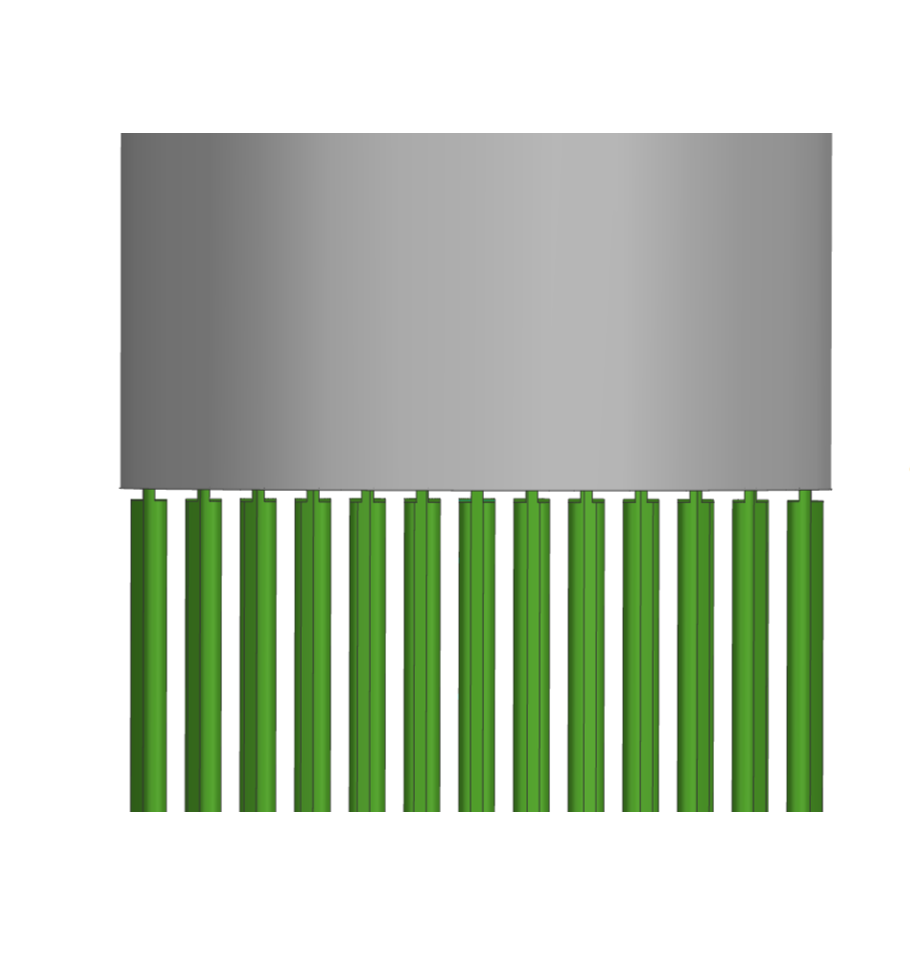
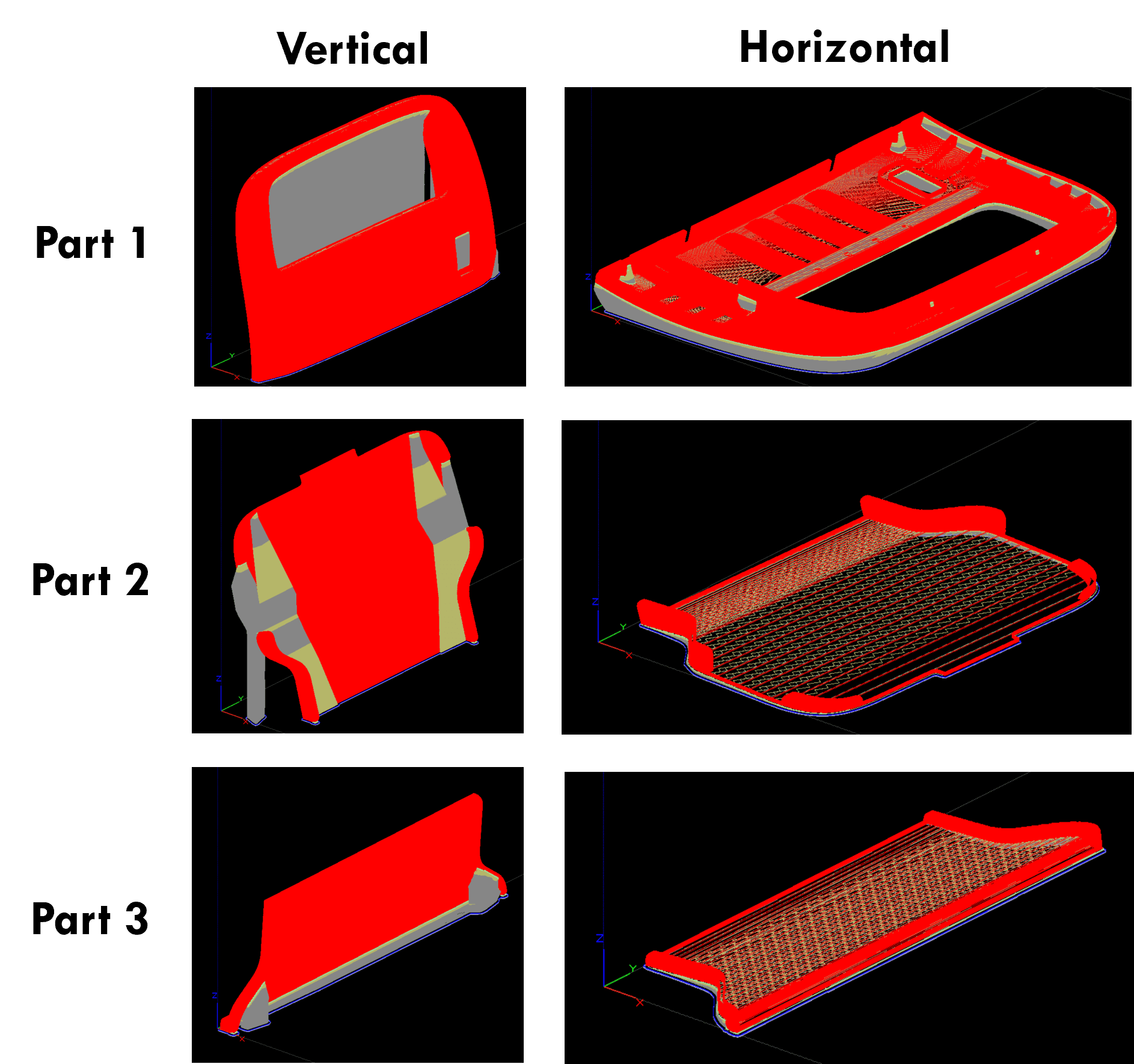
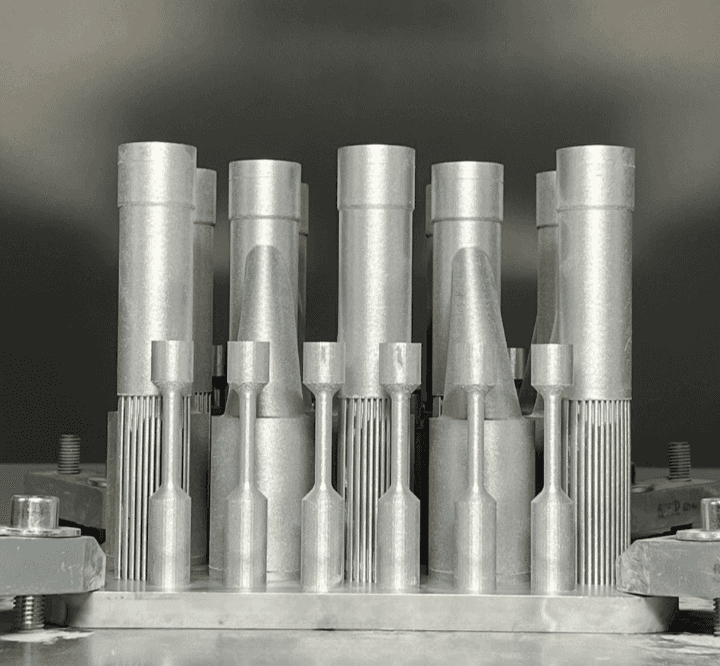
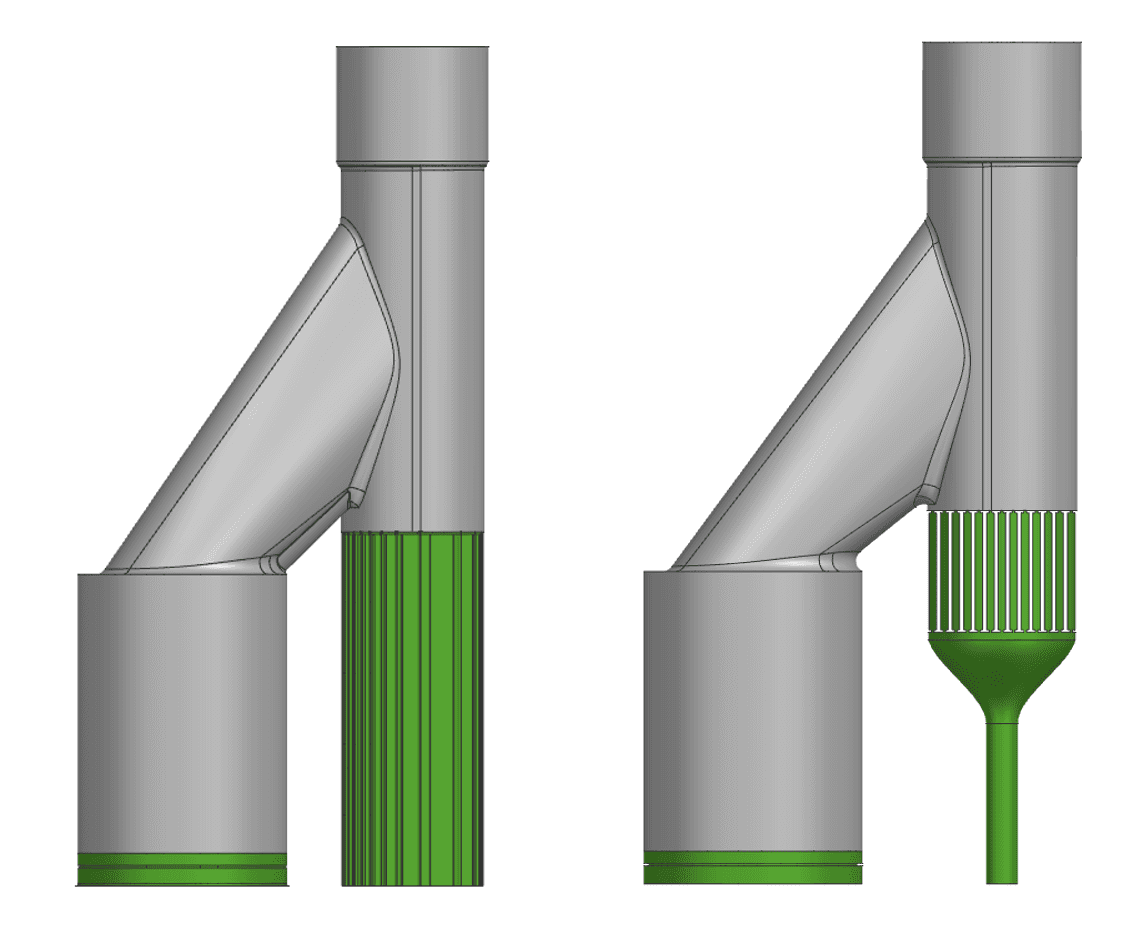
  • Designing supports and optimizing build process for aerospace parts to be metal 3D printed using laser powder bed fusion (LPBF).

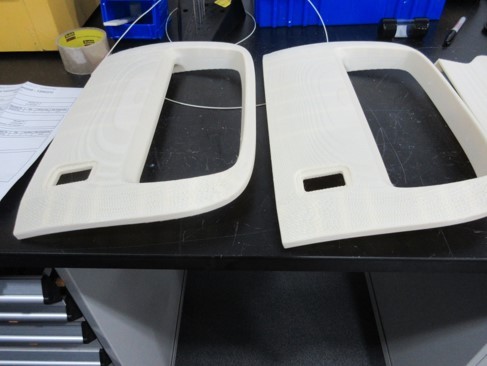
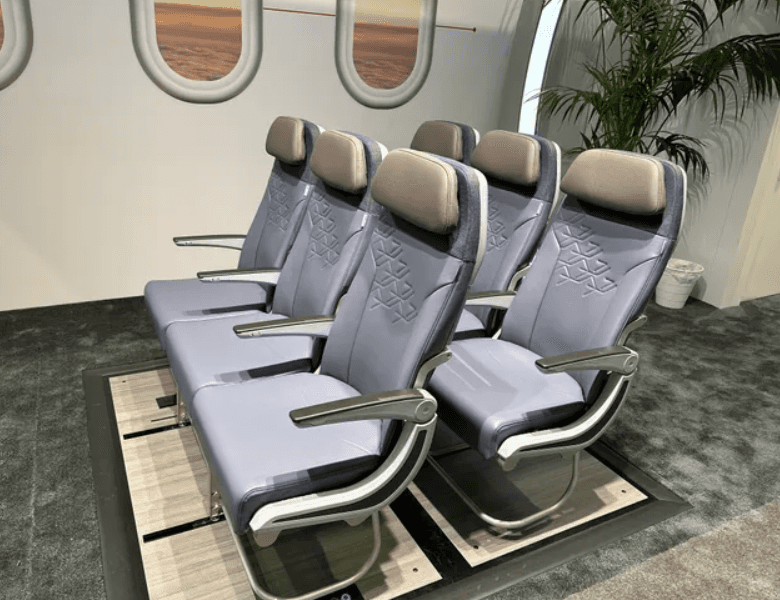
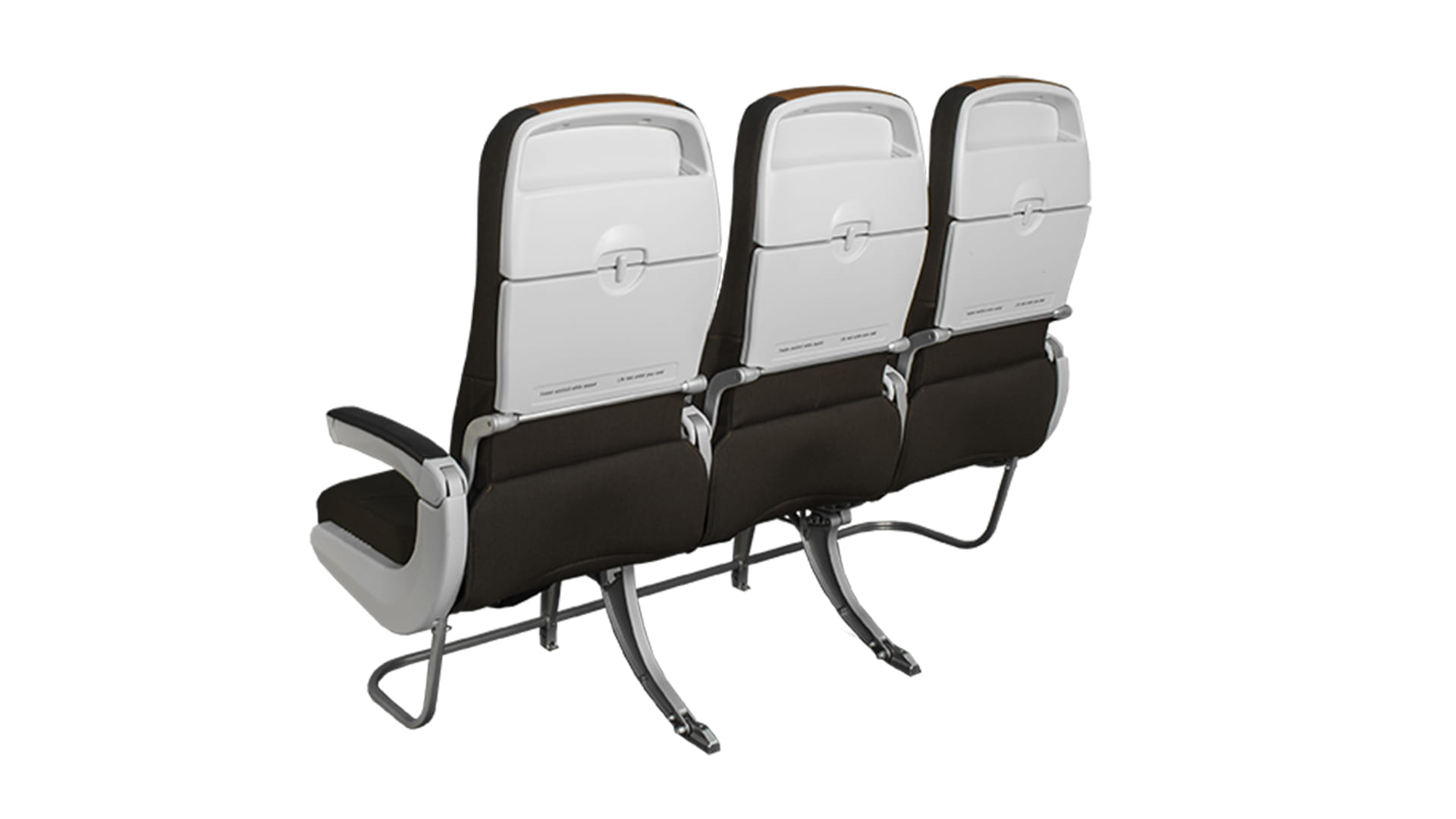
  • Rapid prototyping polymer prints for airplane seat interior models and achieving excellent surface quality.

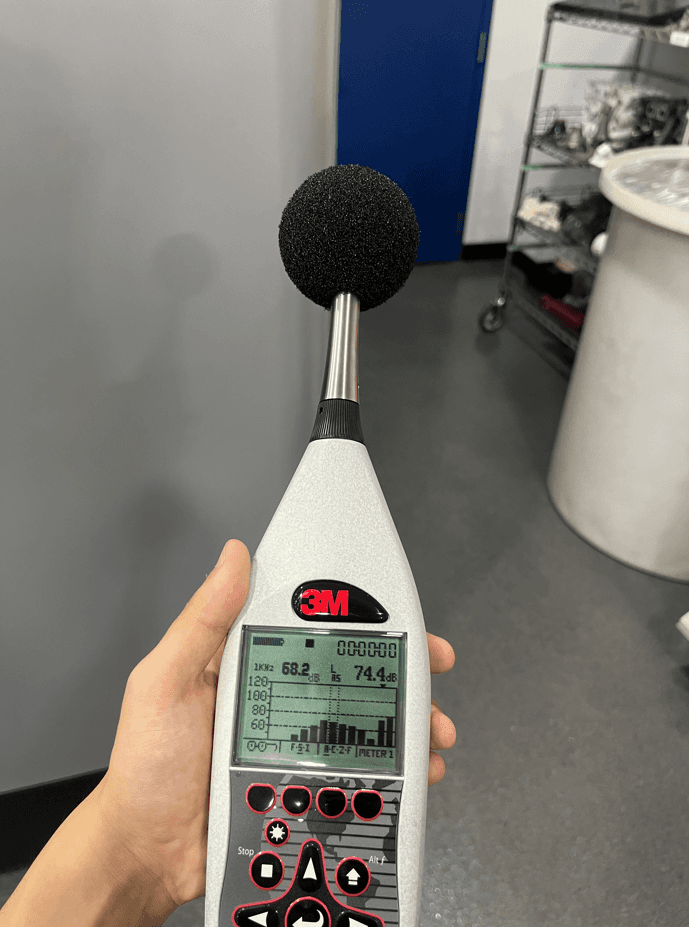
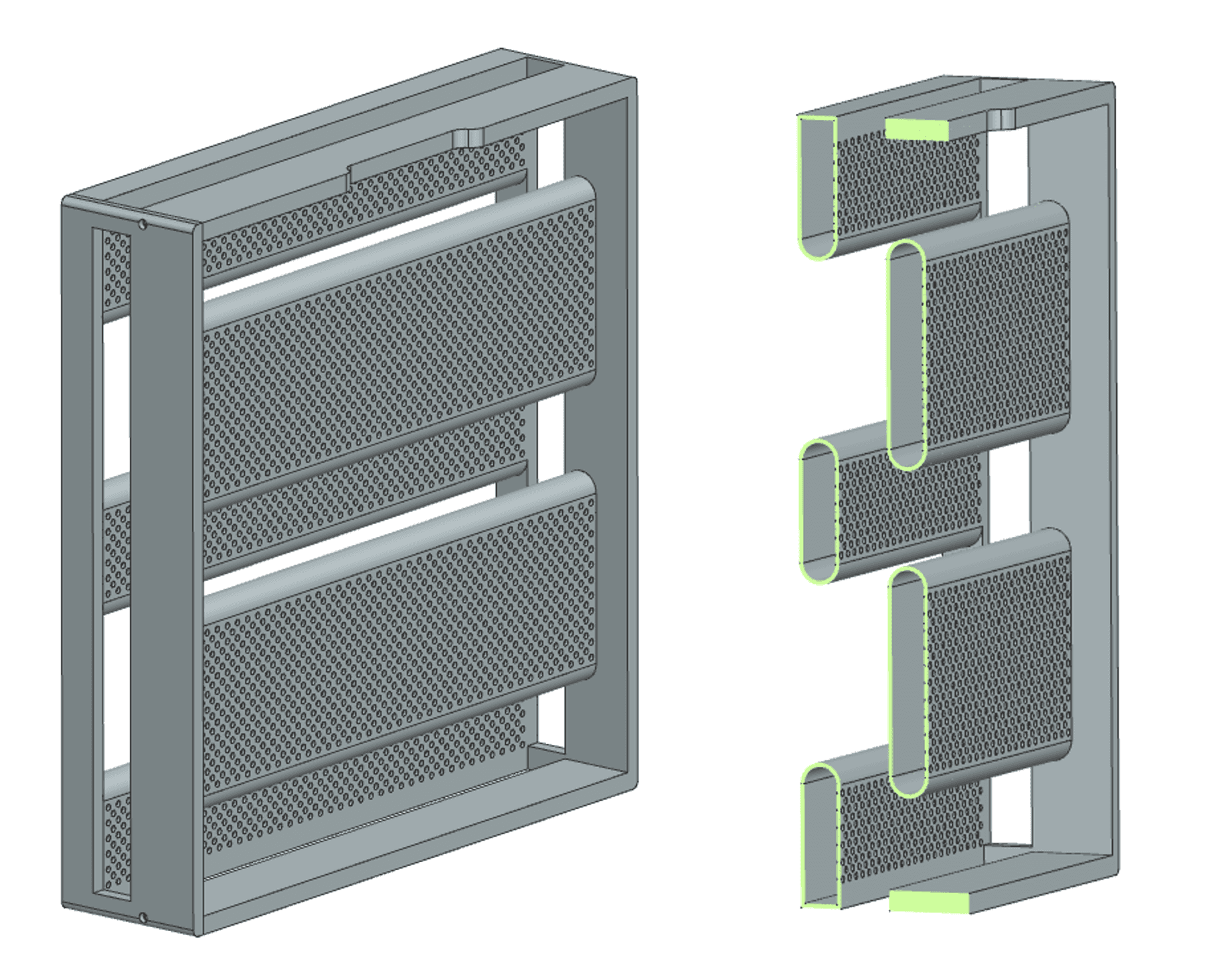
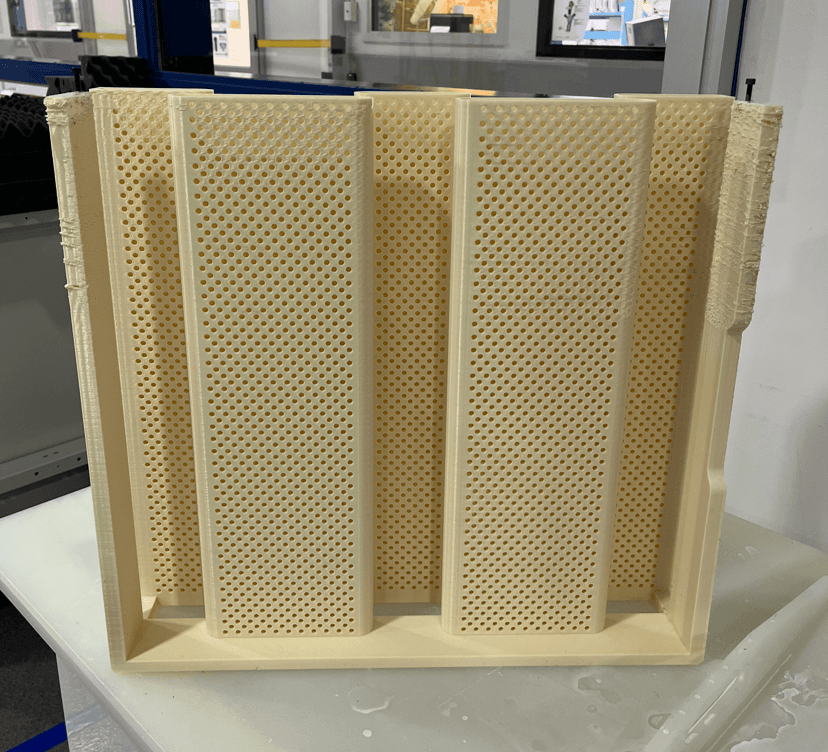
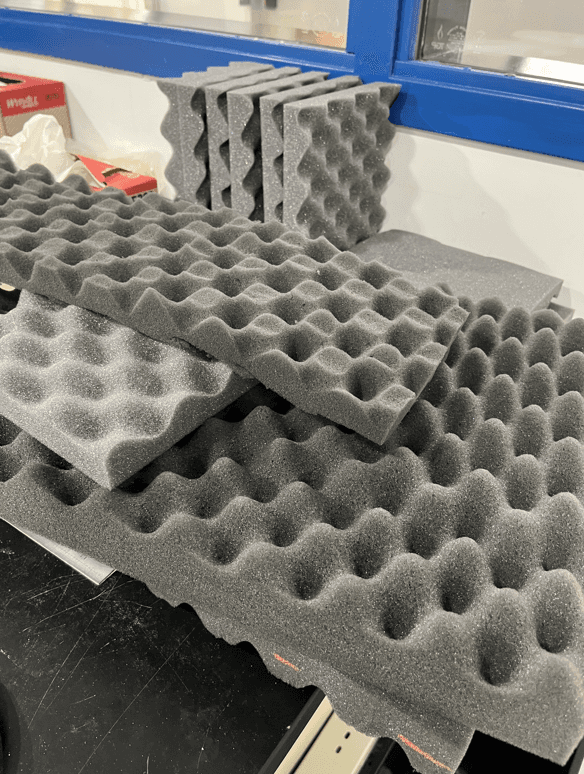
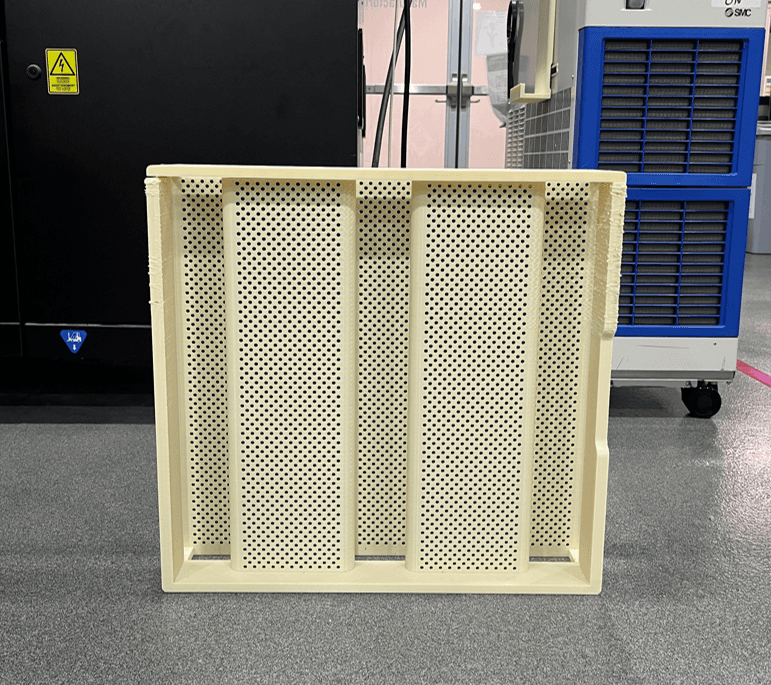
  • Creating a vent silencer attachment for industrial FDM printers to decrease lab noise by 14 dB.
Metal 3D Printing

In metal printing, there are several more factors to consider compared to traditional polymer processes. These include thermal heat transfer, powder removal, and cost. For example, I had to design custom supports to ensure a successful print while also considering laser scan strategies, heat transfer, and bandsaw removal.

Extracted currency modules
Full Dashboard with Sidebar
App Homepage
App Homepage
App Homepage

Polymer Builds

In an urgent 3-day time frame, I had to create 18 large polymer parts for an airplane seat prototype showcase. I expedited the time-consuming printing process by optimizing layer heights, orientation, wall thicknesses, and print speeds. I was able to successfully print, sand, and deliver all parts in less than 2 days and contribute to an amazing airplane seat model.

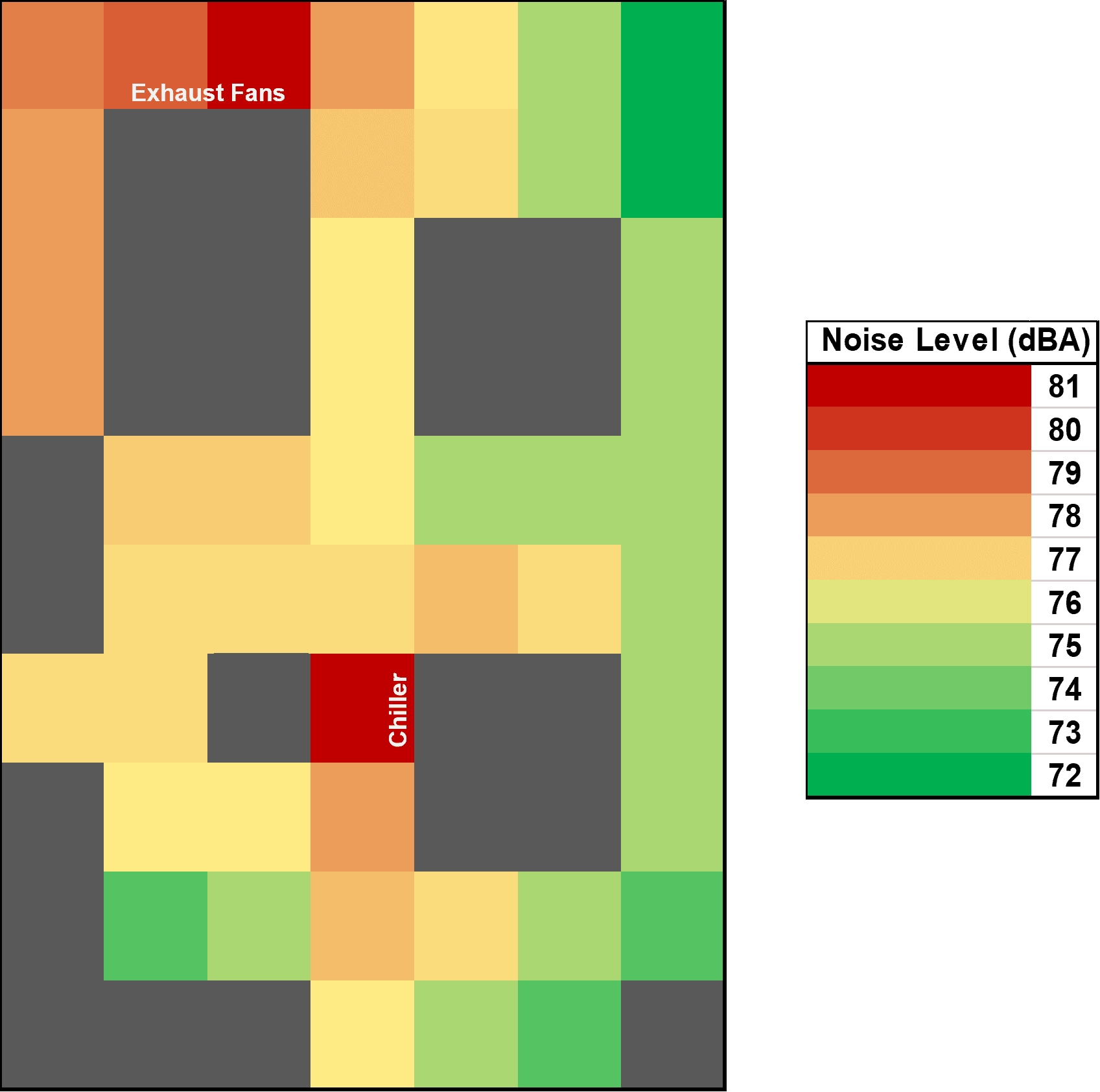
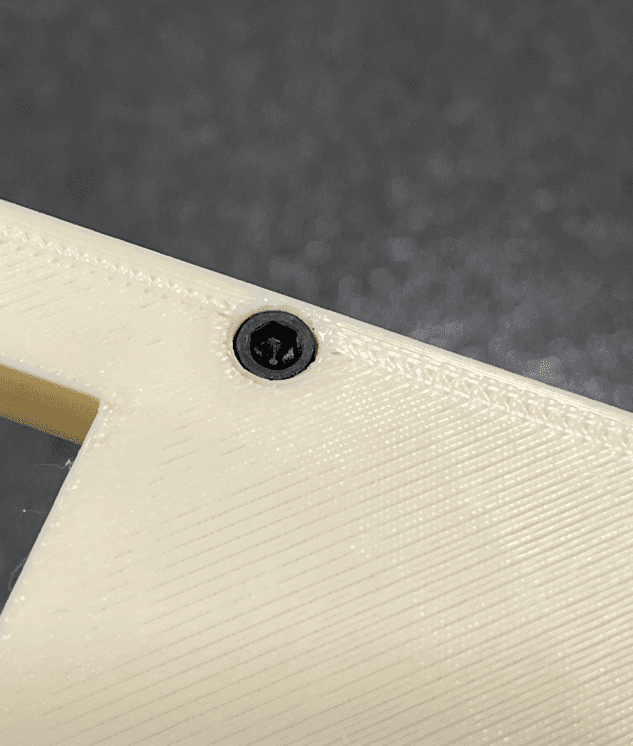
Another polymer build is an exhaust vent noise reducer for industrial 3D printers because the Additive Lab was reaching unsafe noise levels. Through an iterative design process, I created a silencer using polycarbonate and foam panels. Leveraging additive technology, my design featured required no supports and utilized threaded inserts for added structural integrity. Noise levels were then measured, resulting in a 14 dB decrease in overall volume in that area of the room, a great success!

I'm passionate about all things design and engineering. Feel free to reach out!

© 2024 Andy Kim

I'm passionate about all things design and engineering. Feel free to reach out!

© 2024 Andy Kim

I'm passionate about all things design and engineering. Feel free to reach out!

© 2024 Andy Kim